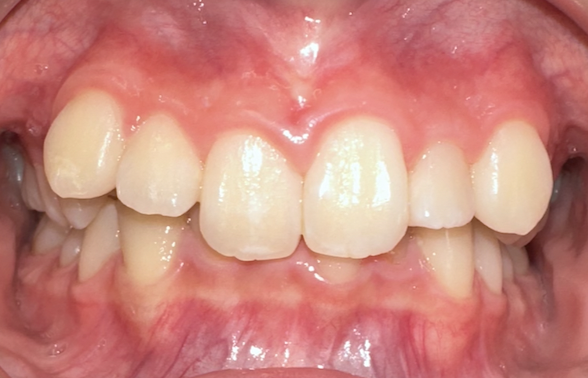
Overbite (deep bite)
The upper front teeth cover too much of the lower teeth — sometimes the lower teeth bite into the roof of the mouth. Over time this wears down front teeth and can strain the jaw joint.
Orthodontists call them malocclusions — "bad bites." Here's what each one looks like, and why it's worth correcting. Not sure which one you're looking at in the mirror? A complimentary consultation will tell you.
The upper front teeth cover too much of the lower teeth — sometimes the lower teeth bite into the roof of the mouth. Over time this wears down front teeth and can strain the jaw joint.
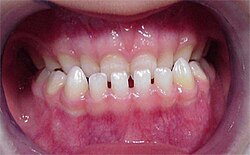
The lower teeth sit in front of the upper teeth when biting. It can make chewing and speaking harder and usually involves jaw growth — which is why catching it early matters so much.
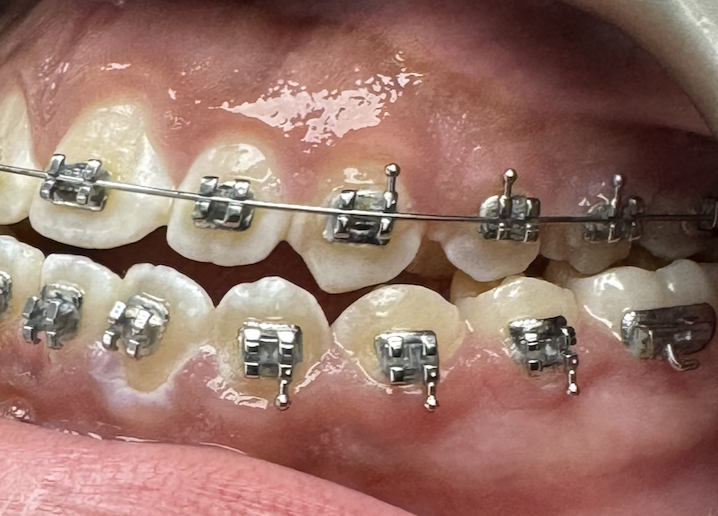
Some upper teeth bite inside the lower teeth instead of outside. Left alone, it can cause uneven wear, gum recession, and the jaw shifting to one side as a child grows.
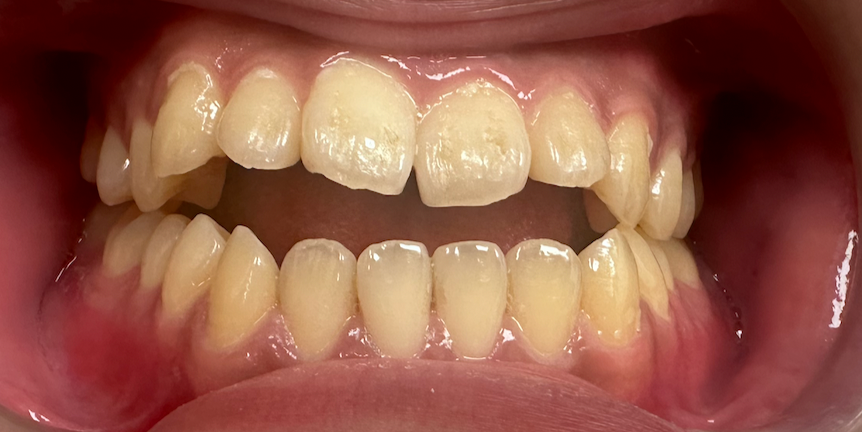
The front teeth don't touch even when the back teeth are closed — often linked to thumb-sucking or tongue posture. It makes biting into food difficult and can affect speech.
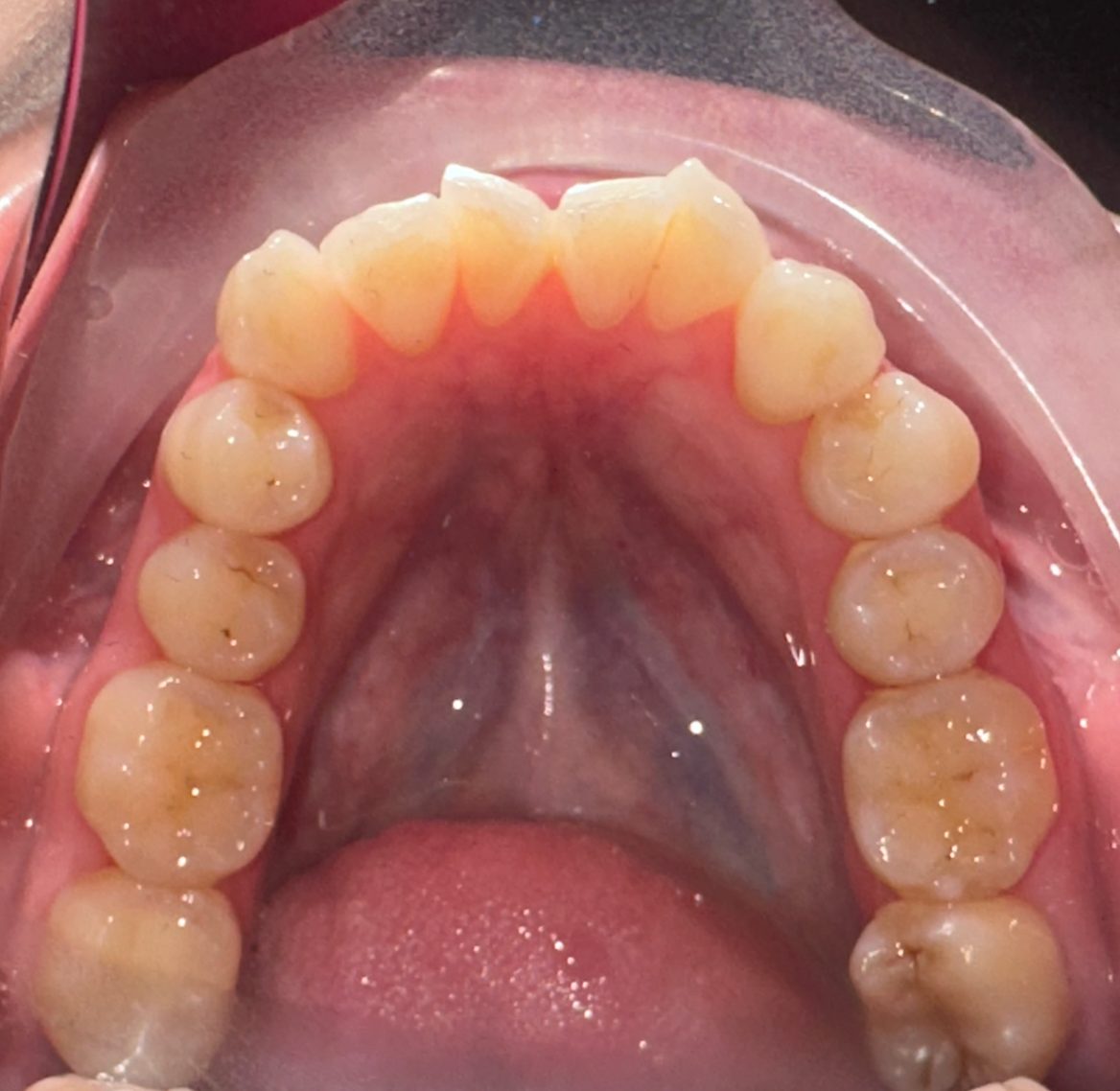
Not enough room, so teeth overlap and rotate. Crowded teeth are much harder to brush and floss well, which raises the risk of cavities and gum disease — the most common reason people seek treatment.
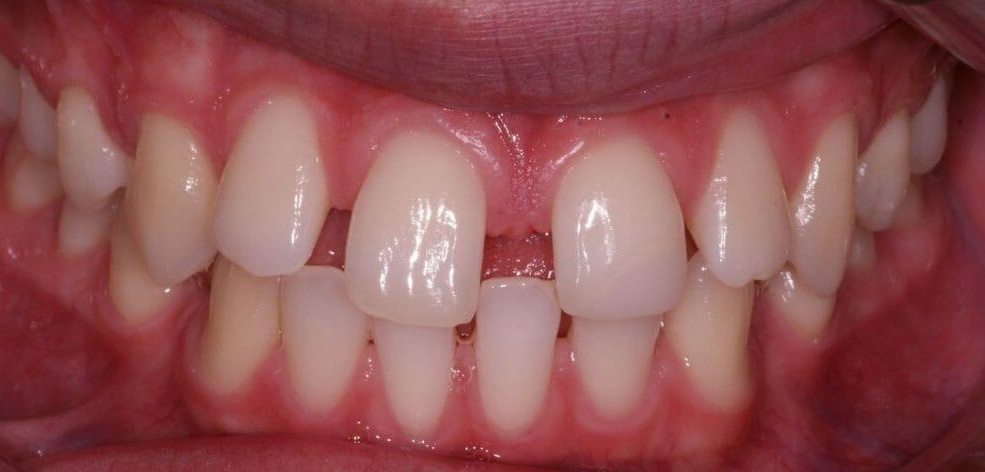
Gaps between teeth — from small jaws-to-teeth mismatches, missing teeth, or habits. Food traps in the spaces can irritate gums, and many patients simply want the gap closed.
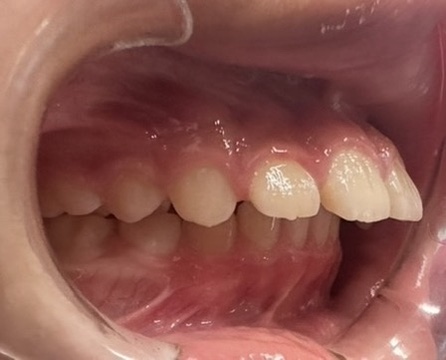
Upper front teeth angle far forward of the lower teeth. Beyond appearance, protruding teeth are far more likely to be chipped or knocked out in falls and sports — especially in kids.
Aligned teeth are easier to keep clean, wear evenly, chew efficiently, and support clear speech and comfortable jaws. Correcting a bite in childhood can also guide jaw growth and protect airway development — problems that are simpler to fix at 8 than at 28.
The AAO recommends every child see an orthodontist by age 7 — and it's never too late for adults. Your first consultation with Dr. Schwab is complimentary.